 Careers
 File a Claim
 Contact Us
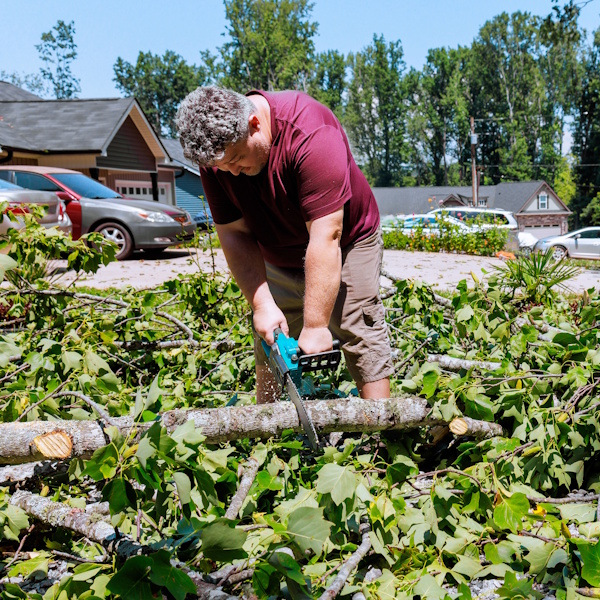
Severe storm preparedness for mortgage servicers
Severe convective storms can develop quickly and bring damaging winds, hail, tornadoes, and heavy rain. These events account for a significant share of U.S. insured catastrophe losses, and they can create broad, unpredictable impacts for mortgage servicers.
We track severe storm activity across the full calendar year. Multiday outbreaks can develop quickly and move across wide geographies, so our monitoring reflects the pace and unpredictability of this peril.
How we support servicers through severe storm events
Through Catastrophe Monitoring CenterSM, a centralized command center dedicated to managing collateral exposure from all types of losses, servicers gain insight into developing events and their potential impacts.
As event details become clearer, the Catastrophe Monitoring Center brings together relevant information and response resources, which can include aerial imagery, to provide greater visibility as the event unfolds and recovery begins. This helps servicers stay informed as conditions evolve and response needs shift.
We track potential catastrophe events across every season, using weather intelligence and geocoded modeling to flag portfolio exposure as conditions develop, including severe storm risk.
Climate patterns such as La Niña can increase the likelihood of spring tornado and hail activity across parts of the southern and central U.S., contributing to elevated weather-related risk for servicers. But seasonal patterns are only one part of catastrophe readiness. Preparedness is a year-round discipline, which is why our monitoring looks across a range of adverse events, including severe storms.
Unlike hurricanes, which often provide several days of forecast visibility, severe storm outbreaks can develop and move quickly across multistate areas. That shorter window makes rapid identification of potentially affected properties especially important.
As severe storm activity develops, geocoded portfolio data can help us identify areas that may warrant closer review. Because impact zones are often broad and can take time to confirm, we focus on giving servicers practical visibility as conditions and damage reports become clearer. We make all this and more available within Catastrophe Monitoring Center.
Severe storm events tend to generate a high volume of smaller, dispersed claims rather than one concentrated area of loss. That makes efficient loss draft handling especially important for helping homeowners keep repairs moving.
Our Live Virtual Guided Inspection program and digital fund distribution process are built to scale with claim volume. By streamlining inspection coordination, documentation review and disbursement steps, we help reduce delays that can slow repairs after a storm. That means homeowners can move through the loss draft process more efficiently, while servicers maintain visibility and oversight as claim activity increases.

Severe storm preparedness within a broader catastrophe strategy
Our severe storm resources are part of a broader catastrophe preparedness approach that also includes support for wildfire and hurricane events.
Hurricane Preparedness for Mortgage Servicers

Wildfire Preparedness for Mortgage Servicers
Back to Catastrophe Preparedness Overview
Connect with our Team
Be ready for rapidly changing conditions
See how our response protocols, reporting resources, and carrier support can help you prepare for and respond to severe storm events.
Connect with our team